by
November 14, 2023
In the ever-evolving domain of design, understanding the nuances of mixing periods - whether that be from the 18th century to today - is an art form in itself. The dance between the age-old and the avant-garde is one that requires not only an intuitive understanding but also an appreciation for the inherent character that each period brings.
Design is a reflection of one's sensibilities, drawing upon inspirations from varied epochs. Whether it's modern (mid-century, Scandinavian), art deco, Victorian, or any other period, the real essence lies in the equilibrium. It's not about being ostentatious or sparse, but finding that sweet spot where every piece speaks, yet no one shouts.
Each traditional element has its own tale to tell - a narrative that adds depth, character, and context. Instead of seeing them as mere decorative facets, view them as storytellers. On the other hand, contemporary nuances echo the present - they're rooted in current lifestyles, needs, and even sustainability concerns. The magic? Understanding and valuing both.
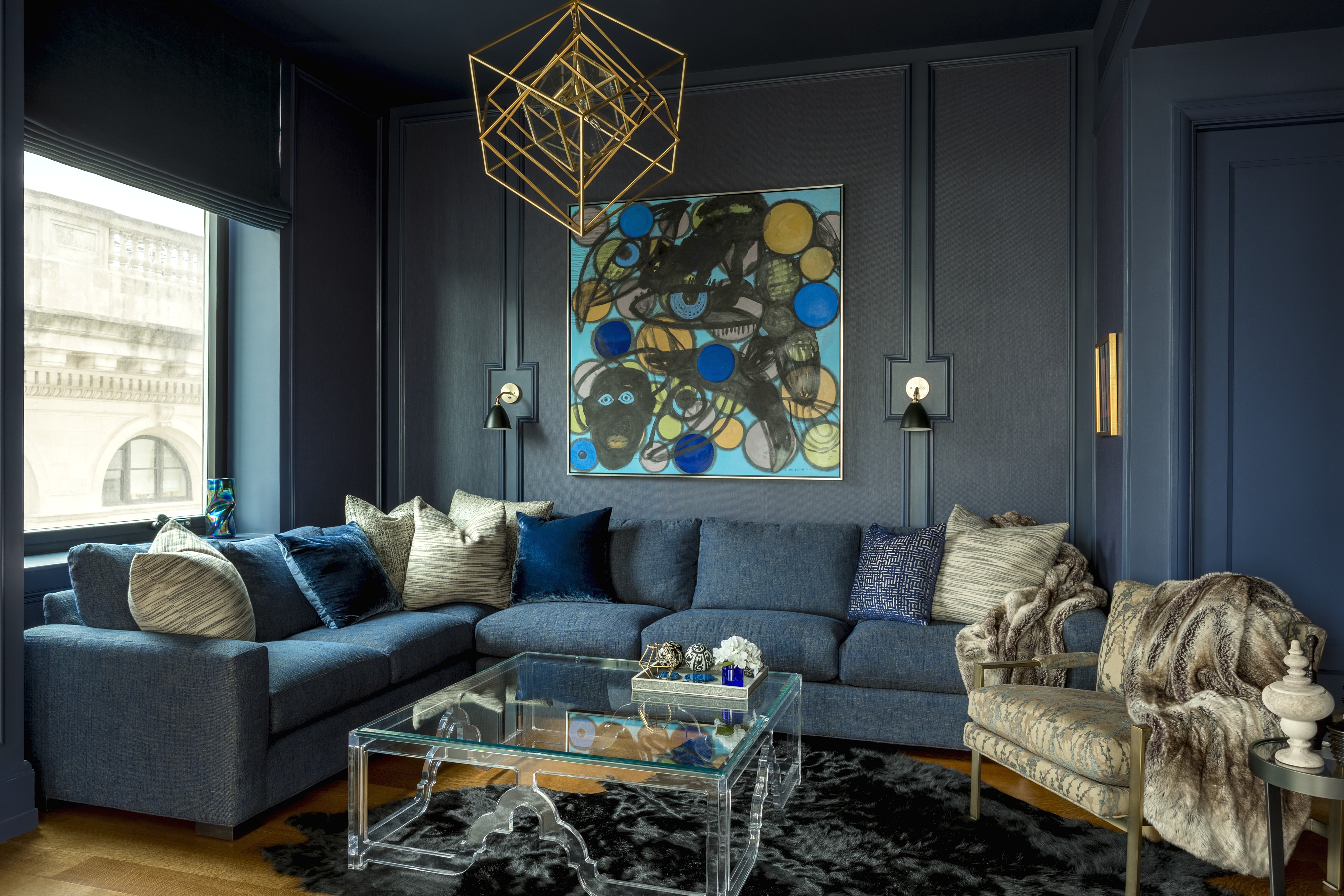
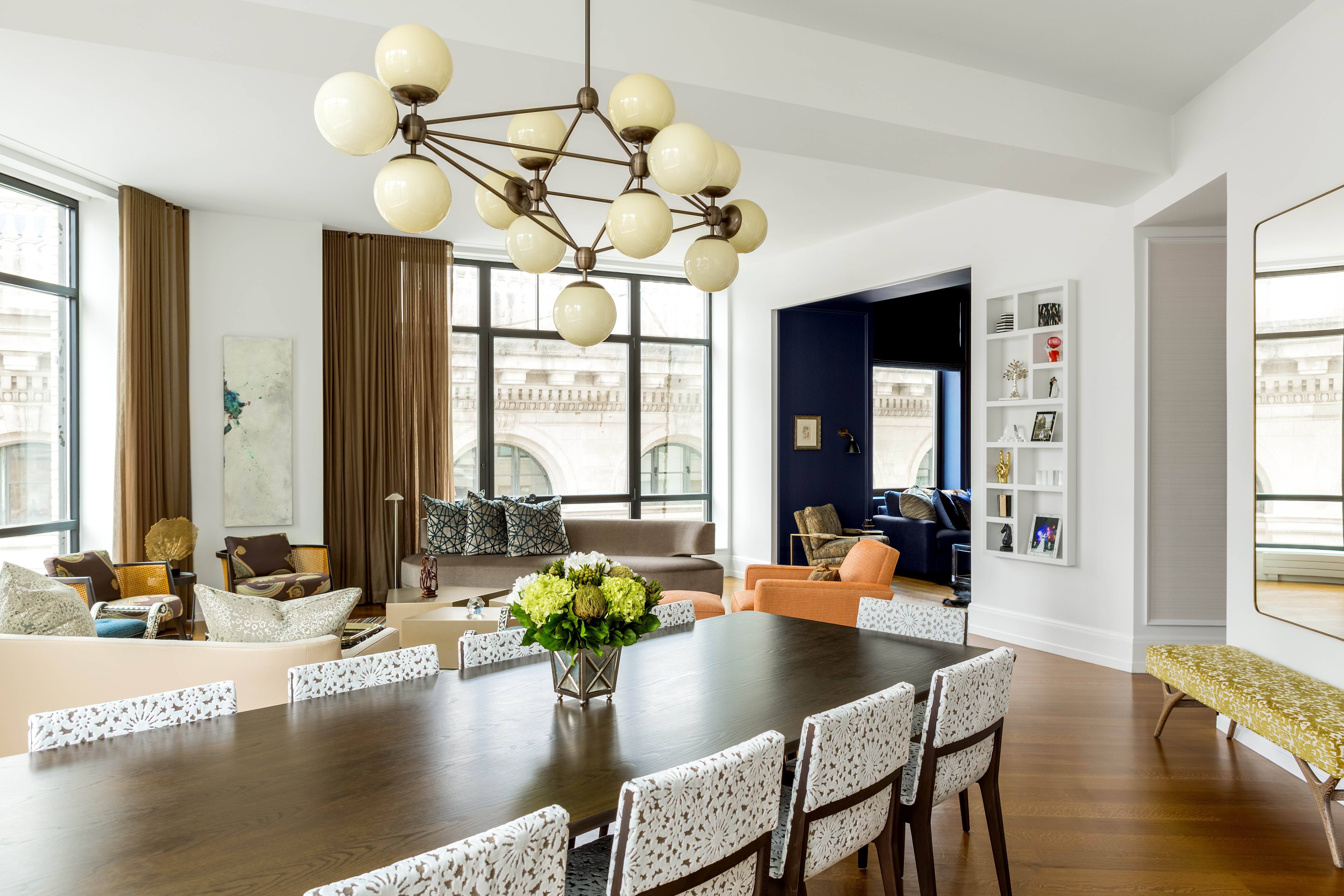
Period-mixing is as much about understanding individual pieces as it is about understanding how they interact. It's like a symphony where each instrument has a role, and when played in harmony, creates an evocative piece. This could be as subtle as pairing an antique table with minimalist chairs or as bold as juxtaposing contrasting art forms. The underlying principle remains: balance, understatement, and context.
In my journey, I've found that the most compelling designs often incorporate pieces that have meaning, stories, or are unexpected in their pairing. This could be a cherished family heirloom or a unique find from a vintage store. It's also about embracing authenticity and eschewing the artificial or overdone.
Incorporating functionality is non-negotiable. Aesthetics are essential, but enduring design marries form with function. This might mean taking a step back when you feel overwhelmed, reassessing, and often realizing that less is indeed more.
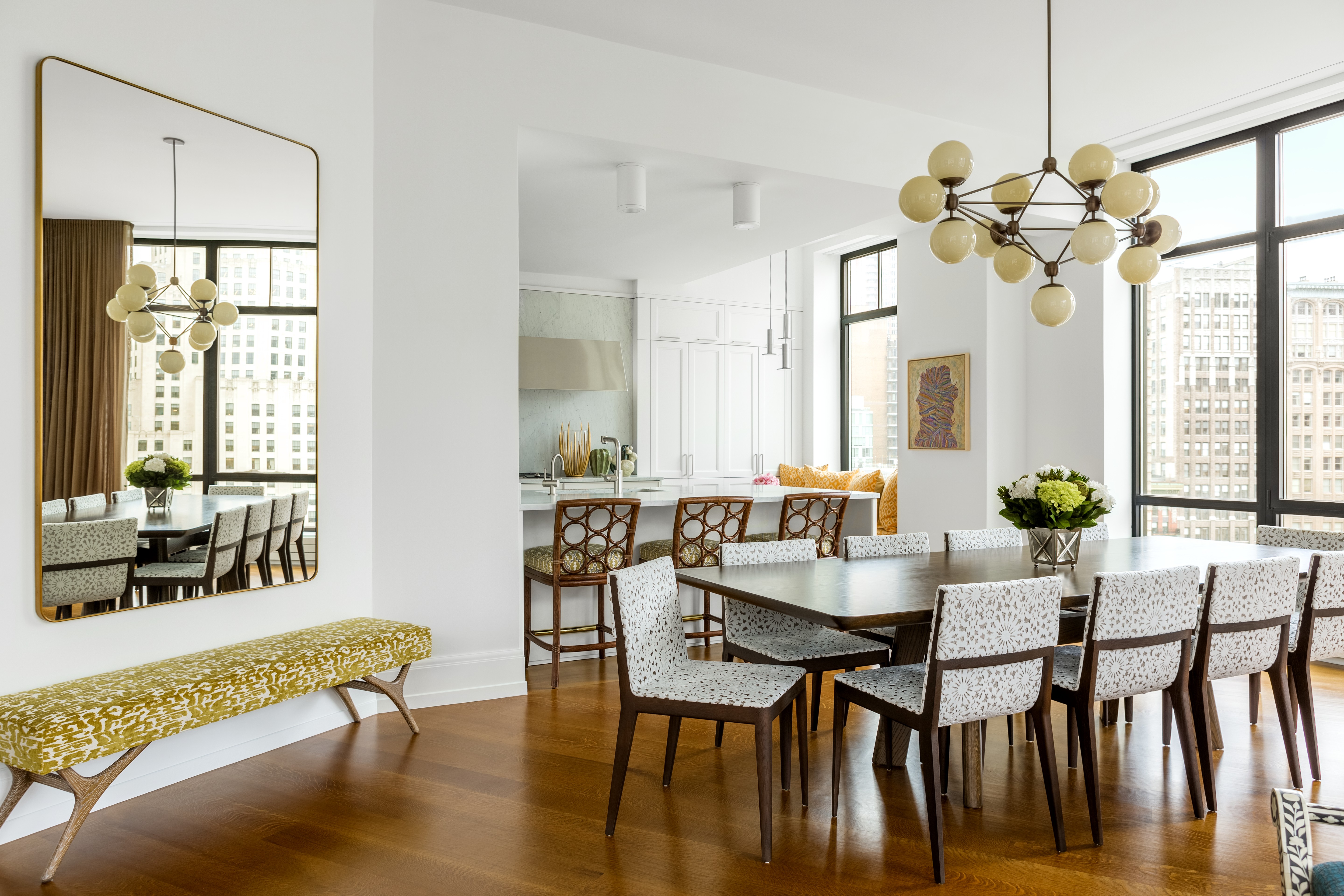
In the realm of period-mixing, scale and palette often play pivotal roles. It's about ensuring each piece gets its moment in the spotlight. Open corners, abundant natural light, and a restricted color palette often work wonders, helping to frame and accentuate rather than overwhelm.
For those inclined towards traditional furniture, introducing modern art or sculpture can breathe new life into the space. However, it's imperative not to go overboard with any one style or color. Maintaining a semblance of cohesion is key, with a unified color palette acting as the anchor.
Design is an ongoing journey, punctuated with lessons, insights, and revelations. Start slow, let your instincts guide you, and remember: it's not about individual elements but the cohesive story they tell. Whether drawing inspiration from a particular piece or reimagining a space's entire concept, the dance of design is continuous, ever-evolving, and profoundly personal.
Ready to Craft Your Personal Design Story? There's no rush. Let's start building, piece by piece, until your space feels innately right, echoing both your history and your present. Curious? Let's discuss your ultimate wishlist.