by
January 4, 2024
In the intricate world of architecture and design, a design concept is not just an idea; it's the cornerstone of every successful project. This conceptual framework is the guiding star that ensures coherence, creativity, and functionality, melding abstract ideas into tangible realities. At Michael Wood & Co., we believe in the power of early conceptual development – a philosophy that sets the stage for a design process as efficient as it is inspired.
A robust design concept is much like a master plan; it navigates the myriad decisions and aesthetic choices that arise throughout the design process. This foundational blueprint is a synthesis of functionality, aesthetic appeal, and architectural integrity. At Michael Wood & Co., our initial conceptual phase is an intricate process, wherein every line drawn and every material chosen is a deliberate step towards realizing a cohesive vision.
Our approach to design is inherently client-centric. We dive deep into the clients' aspirations, lifestyles, and preferences, weaving these into the very fabric of our conceptual groundwork. This synergy between client vision and our design philosophy ensures that each space we create is not only architecturally sound but also deeply personal and reflective of the client's essence.
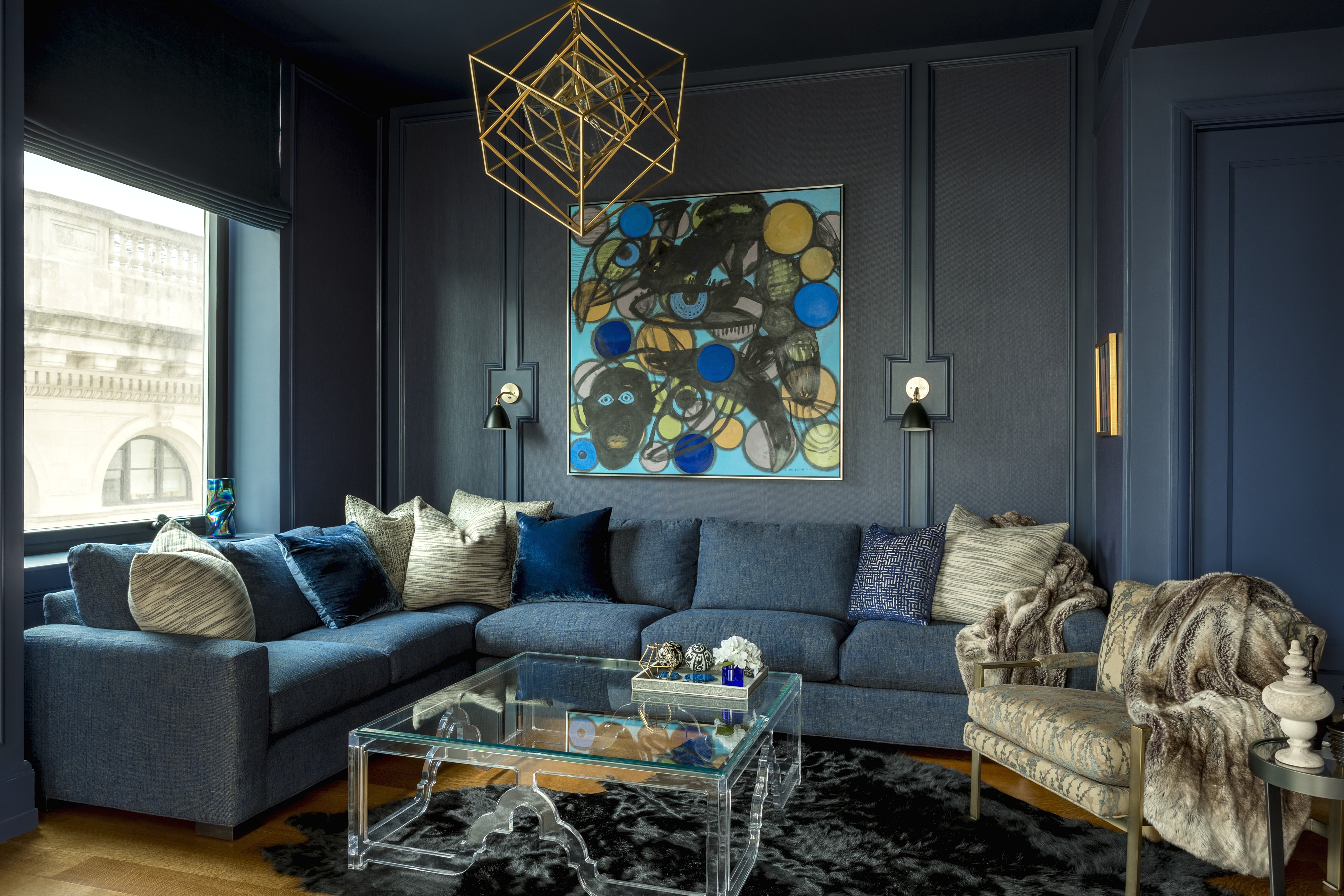
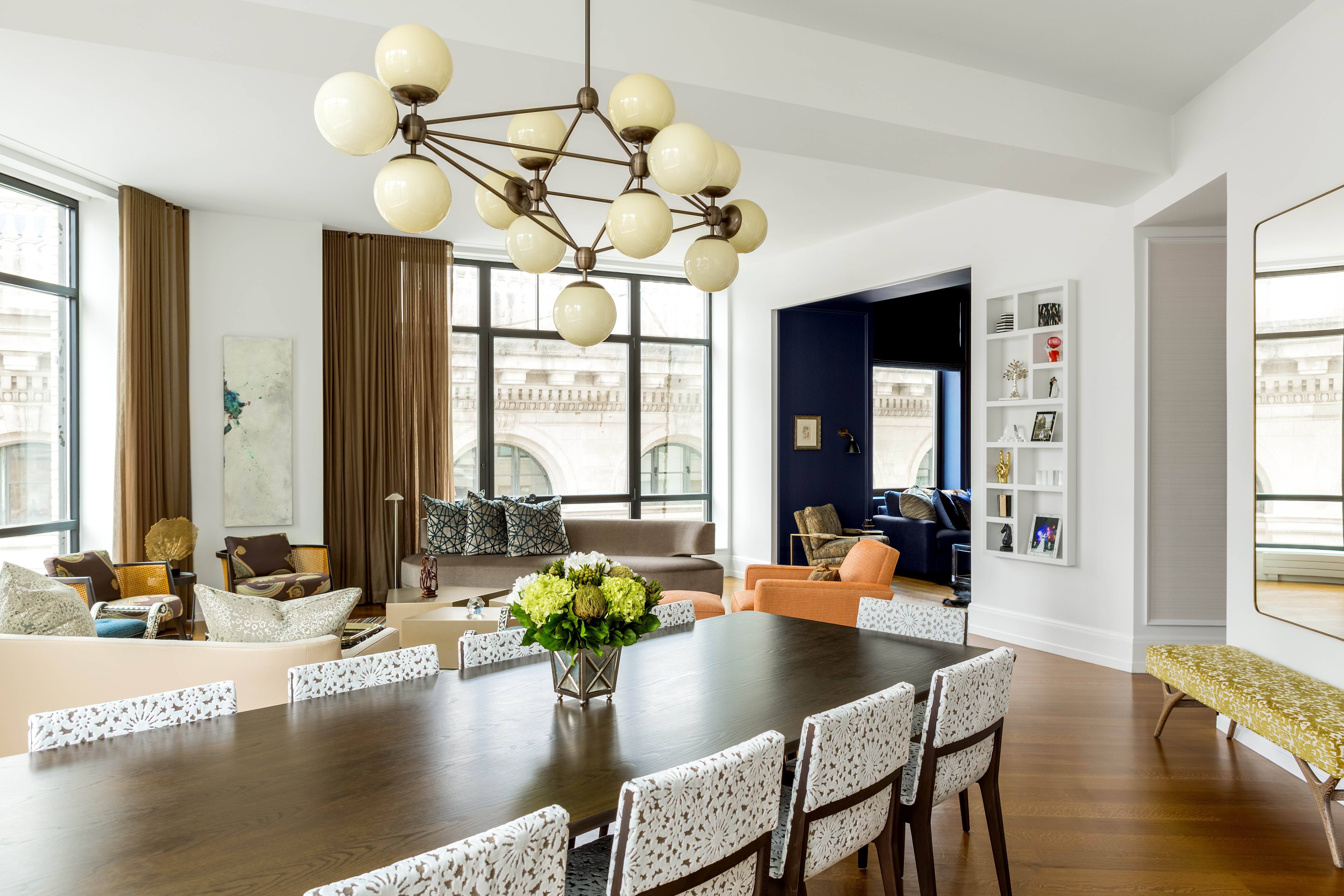
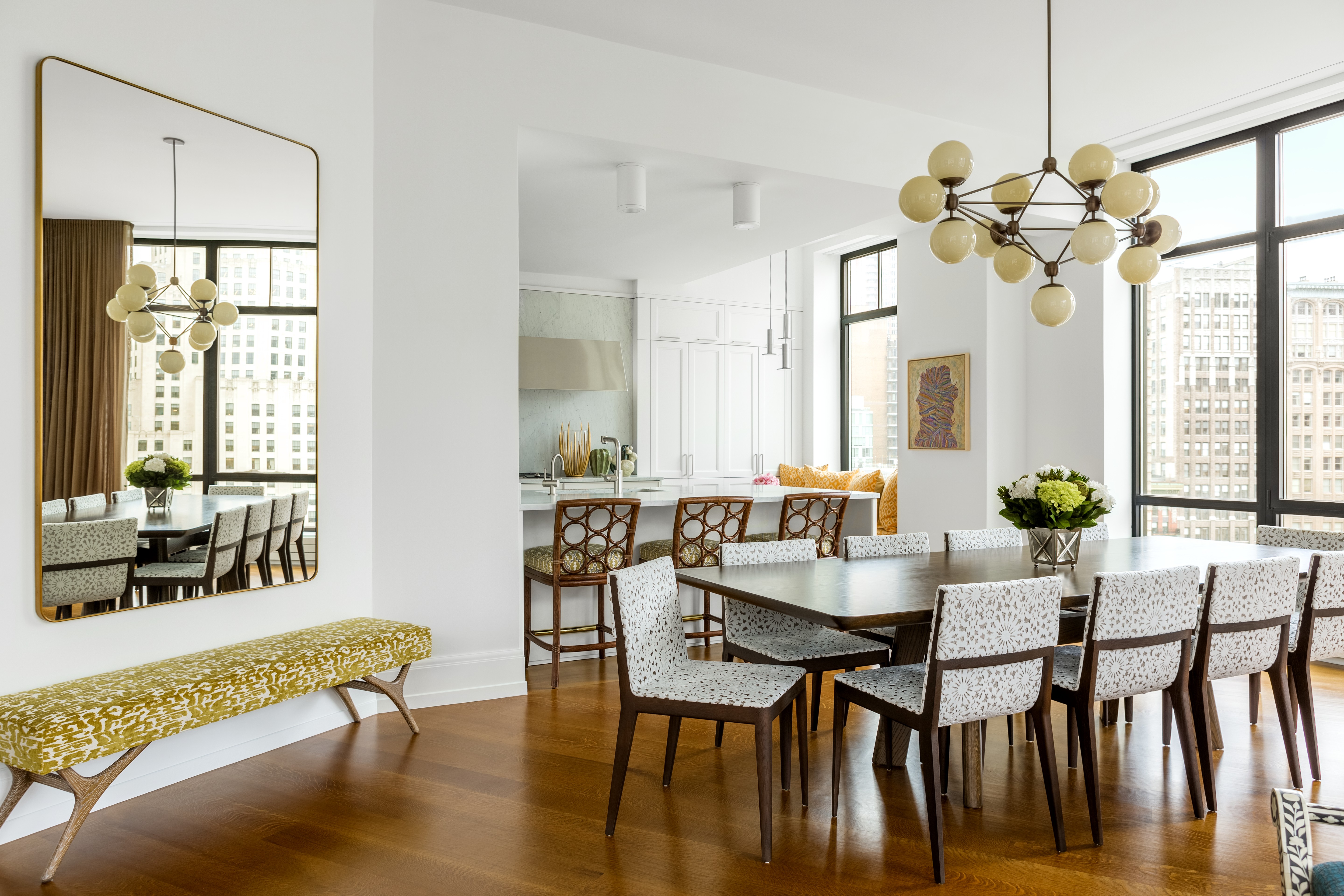
Our portfolio is replete with instances where a well-conceived initial concept has led to extraordinary outcomes. For instance, in a recent Upper East Side townhouse project, our early concept centered around creating a harmonious blend of classic and contemporary elements. This guiding principle informed every choice, from the layout to the lighting fixtures, culminating in a space that was as timeless as it was modern.
Conversely, projects lacking a clear initial concept often encounter a plethora of challenges. Without this guiding framework, projects can suffer from a lack of direction, leading to disjointed aesthetics, functional inconsistencies, and, often, escalated costs. The absence of a unifying concept can render a space more a collection of disjointed ideas rather than a coherent whole.
The development of a design concept at the very onset of a project is not just beneficial; it's imperative. It is the seed from which the project grows, ensuring that every element aligns with a larger, well-thought-out vision. In the long term, this approach saves time, reduces costs, and most importantly, results in spaces that are both functional and aesthetically resonant.
At Michael Wood & Co., we are committed to transforming visions into reality, starting with a strong, well-defined concept. We invite you to reach out, share your vision, and embark on a design journey that begins with your story and culminates in a space that speaks volumes of who you are.